Peer Review Process
Journal of Sustainable Energy and Environmental Engineering (JSEEE) follows a double-blind peer review process to ensure the quality, integrity, and originality of published research. Our review process is designed to maintain rigorous academic standards while promoting fairness and transparency.
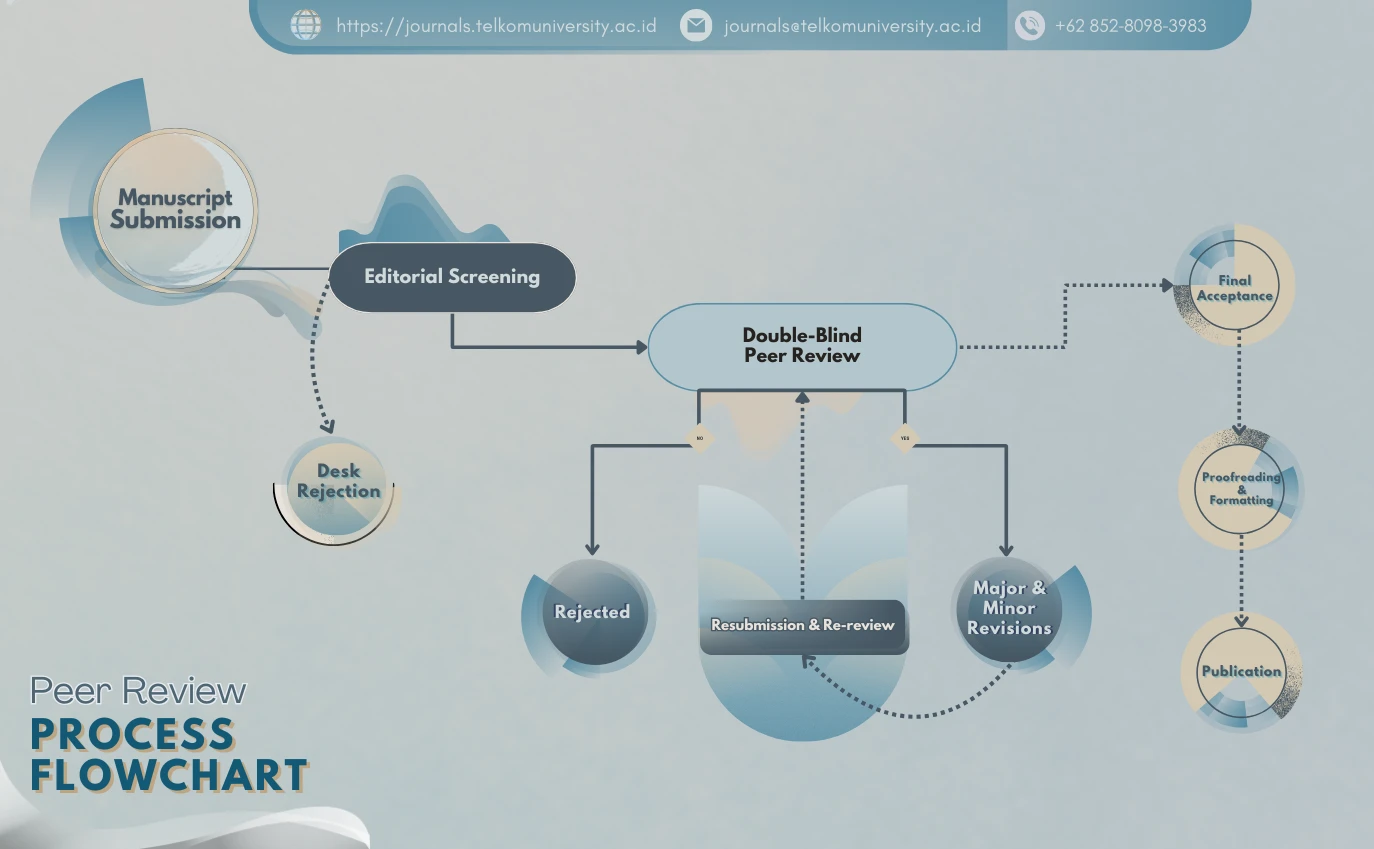
1. Initial Submission and Editorial Screening
- Submitted manuscripts are first screened by the editorial team to ensure compliance with the journal's focus, scope, formatting requirements, and ethical guidelines.
- Manuscripts that fail to meet the basic criteria may be desk rejected or returned to authors for revision before proceeding to review.
2. Double-Blind Peer Review
- Manuscripts that pass the initial screening are sent to at least two independent reviewers who are experts in the relevant field.
- Both the author(s) and reviewers remain anonymous throughout the process to maintain impartiality.
- Reviewers evaluate the manuscript based on originality, methodological rigor, significance of contributions, clarity of presentation, and adherence to ethical standards.
3. Reviewer Recommendations
Based on the reviewers' feedback, the manuscript may receive one of the following decisions:
- Accepted – Minor or no revisions required.
- Revisions Required – The manuscript requires minor revisions and will be accepted after satisfactory changes.
- Major Revisions – The manuscript needs substantial improvements and must be resubmitted for further review.
- Rejected – The manuscript does not meet the journal's quality or relevance standards.
4. Revision and Final Decision
- Authors are given a timeframe to revise their manuscripts based on reviewer comments.
- Revised manuscripts may be re-evaluated by the original reviewers or the editorial team.
- The Editor-in-Chief makes the final publication decision based on reviewers' recommendations and editorial assessments.
5. Publication
- Accepted articles undergo final proofreading and formatting before publication.
Once ready, articles are published in the latest issue of the journal and made available online with DOI (Digital Object Identifier) for academic referencing.
Ethical Considerations
- The journal strictly follows plagiarism checks using plagiarism detection software.
- Reviewers and editors adhere to the COPE (Committee on Publication Ethics) guidelines to ensure fairness, confidentiality, and ethical research practices.